Yarnoholic Series

All About Anchor Yarn – IYC gets Anchored

Anyone who wants to indulge in yarncrafts would go to a kangan store or shop  next door and pick up Anchor yarns and this is the impression Anchor has left in our minds. While Anchor leaves us with these distinct memories, they have been a go to brand for many of our yarn crafts ranging from embroidery, crochet, knitting , tatting, string art and many more forms of yarn crafts.

In this blog post we are going into a little detail about the yarns from Anchor.

Pin It Now! Read It Later!
Click on Image to Pin it!

YOU CAN ALSO WATCH OUR VIDEO EXPLAINING THE DIFFERENT ANCHOR YARNS

1. Anchor Stranded Cotton Skeins – Art4625

A spectrum that would compare a rainbow, Anchor stranded cotton skein is the most well-known premium hand embroidery thread all over the world. A superior 6-strand thread, made from the best Egyptian cotton is ideal for all forms of embroidery. Available in single and multicolor.

Ideal for – all types of hand embroidery – Free style & Counted thread embroidery

Key features –

  • Imported Egyptian cotton fiber
  • Long staple cotton – superior strength
  • Double Mercerized – Superior luster & strength
  • Extensive shade range

Packaging – 25, 8meter skeins to a box

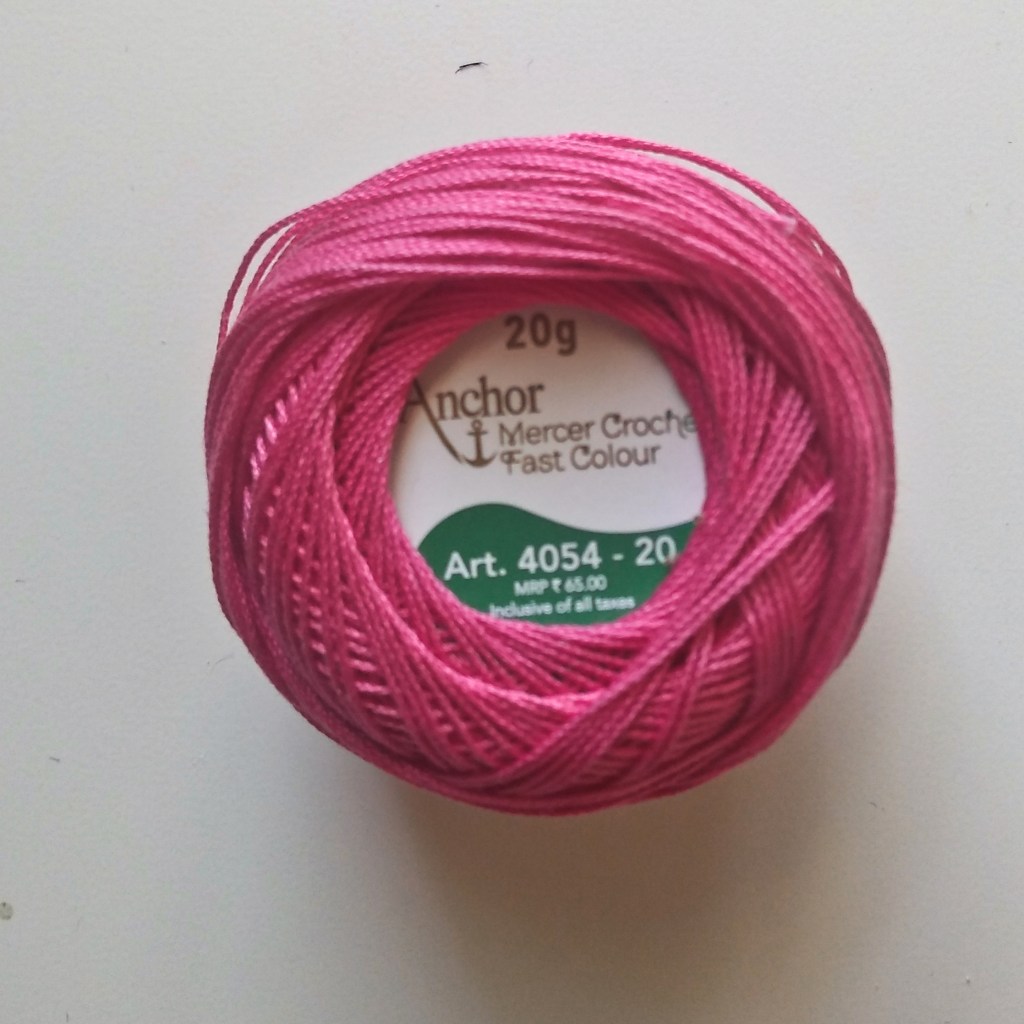
2. Anchor Mercer Crochet Cotton – Art4054

Anchor Mercer Crochet cotton is available in two thicknesses – Ticket 20 & Ticket 40 (ticket 20 is thicker than ticket 40). Being mercerized, these threads are a little stiff and can be used very strikingly to give a lacy feel.

Ideal for – all types of Lace crafts like Crochet, Tatting, Knitting and Hairpin lace.

Key features –

  • Imported Egyptian cotton fiber
  • Long staple cotton – superior strength
  • Double Mercerized – Superior luster & strength

Packaging – 10, 20gram balls to a box

3. Anchor Mercer Pearl Cotton – Art4591

Anchor Mercer Pearl cotton, is a versatile soft thread with a pearly sheen on it. This gives your work an extra glossy effect. 

Ideal for – all types of hand embroidery – Free style & Counted thread, and Lace crafts like Crochet & Knitting.

Key features –

  • Imported Egyptian cotton fiber
  • Long staple cotton – superior strength
  • Double Mercerized – Superior luster & strength

Packaging – 10, 10gram balls to a box

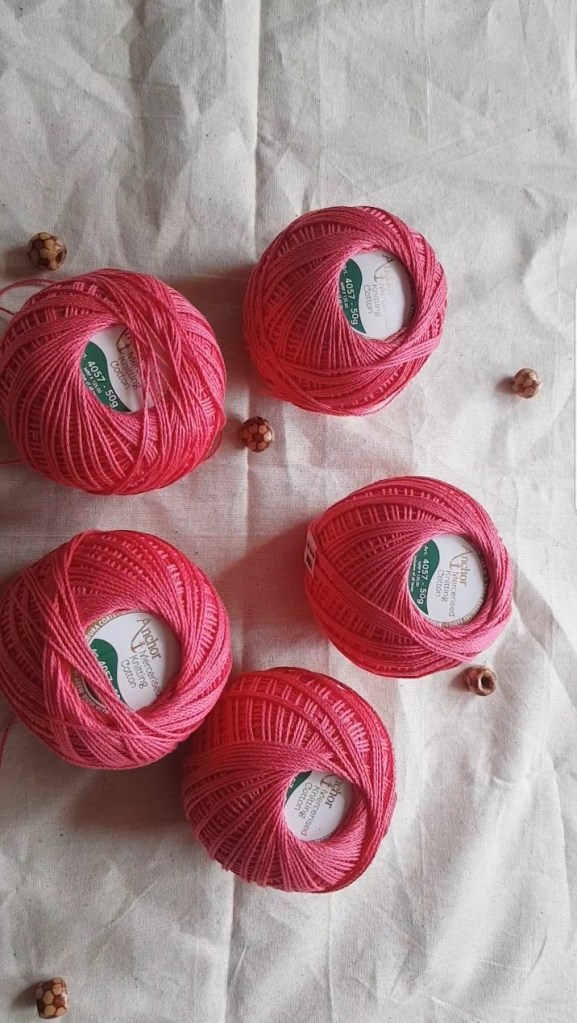
4. Anchor Mercer Knitting Cotton – Art4057

Anchor Mercer Knitting cotton, as the name implies is used for knitting, as well as Crochet and chunky Tatting. It is also used embroidery and soft toy making.  Available in single and multicolor.
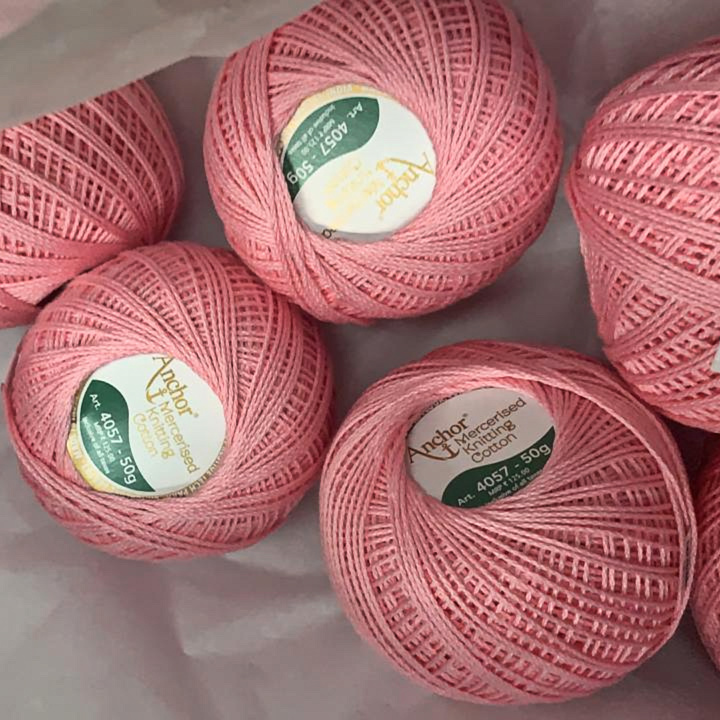
Ideal for – all types of Lace crafts like Knitting & Crochet. Also used for different kinds of hand embroidery – Free style & Counted thread

Key features –

  • Imported Egyptian cotton fiber
  • Long staple cotton – superior strength
  • Double Mercerized – Superior luster & strength

Packaging – 10, 50gram balls to a box

5. Anchor Mercer Knitting Cotton – Art4060

This is a versatile thread that is soft and lustrous. It is strong and flexible and used for Home furnishings apart from embroidery and lace crafts. 
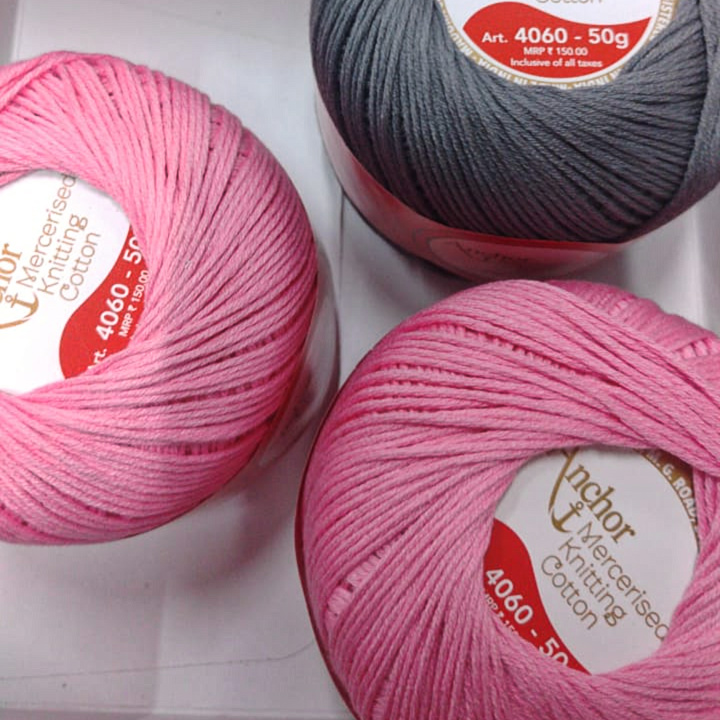
Ideal for – all types of Lace crafts like Knitting, Crochet & Macramé. Also used for different kinds of hand embroidery – Free style & Counted thread

Key features –

  • Imported Egyptian cotton fiber
  • Long staple cotton – superior strength
  • Double Mercerized – Superior luster & strength

Packaging – 4, 50gram balls to a box

WHERE TO BUY –

Instore –

Options are umpteen , look around any craft supply stores and you are most definite to be offered anchor yarns

Online –

Coats India : http://shop.coatscrafts.in/

Pradhan Embroidery Store

Pony Craft Store

Don’t forget to ask for shade cards  to pick the right colors for your project !

We hope that we were able to help you with deciding the right Anchor Yarn for your projects. Leave us a comment or note if you like to know more about Anchor Yarns.
All images are copyright of IndiaYarnCircle, unless otherwise mentioned. You can read our disclaimer policy here.

Yarnoholic Series

Guide for Buying Cotton Yarns in India

Attention Yarnoholics!

What do you think is the most relevant topic after we learnt about yarns different types of yarn in our know your yarn series? we think most of you are waiting to indulge in picking yarn for the projects that have been waiting to see light of the day, besides we must tell you this topic is one of the popular demand on our social media platforms on where to pick yarns.

We have decided to start the “Yarnoholic Series” – A guide for all about yarns in India. We kick start the series with 5 cotton yarns available in India along with where to pick them, to help you go on a shopping spree!! And to help you understand these yarns better, we have created a Yarn Index ..  So let’s indulge!

BUT!……Before you read ahead, get to know the types of cotton yarns available in India in our video below!

PIN IT NOW!! READ IT LATER!

CLICK ON IMAGE TO PIN IT

ANCHOR KNITTING COTTON

The most popular amongst all the anchor knitting cottons are the 4054, 4057 and 4060 for knitting, crocheting and tatting.

YARN INDEX^
Popularity*****
Availability****
Color Variety*****
Color Fastness****
Price***
^  Index is on a scale of 5 ( 5 being highest and 1 being lowest)
Yarn Index is an output of IYC analysis can vary from person to person
WHERE TO BUY –
InstoreAddressOnline 
Pradhan Embroidery, Mumbai125, 127, Perin Nariman St, Borabazar Precinct, Ballard Estate, Fort, Mumbai, Maharashtra 400001Pradhan Embroidery 
Pony Craft Store, Coornor and BangaloreThe Hatswork Boulevard, No 32, Cunningham Road, Bengaluru, Karnataka 560052Pony Craft Store 
Many Local Yarn Stores Coats India Webstore 

Anchor Mercerised Knitting Cotton – Art4057

SOURCE: IYC

Anchor Mercerised Knitting Cotton – Art4060

SOURCE: IYC

Anchor Mercerised Crochet Cotton – Art4054

SOURCE: IYC

GULERA

Another popular launch in 2019 avialable in 3ply , 6ply and Tshirt Yarn used in various froms of knitting , crocheting , tatting , hand weaving etc.

YARN INDEX^
Popularity*****
Availability***
Color Variety***
Color Fastness****
Price****
^  Index is on a scale of 5 ( 5 being highest and 1 being lowest)
Yarn Index is an output of IYC analysis can vary from person to person
WHERE TO BUY
InstoreAddressOnline
Pradhan Embroidery, Mumbai125, 127, Perin Nariman St, Borabazar Precinct, Ballard Estate, Fort, Mumbai, Maharashtra 400001Pradhan Embroidery

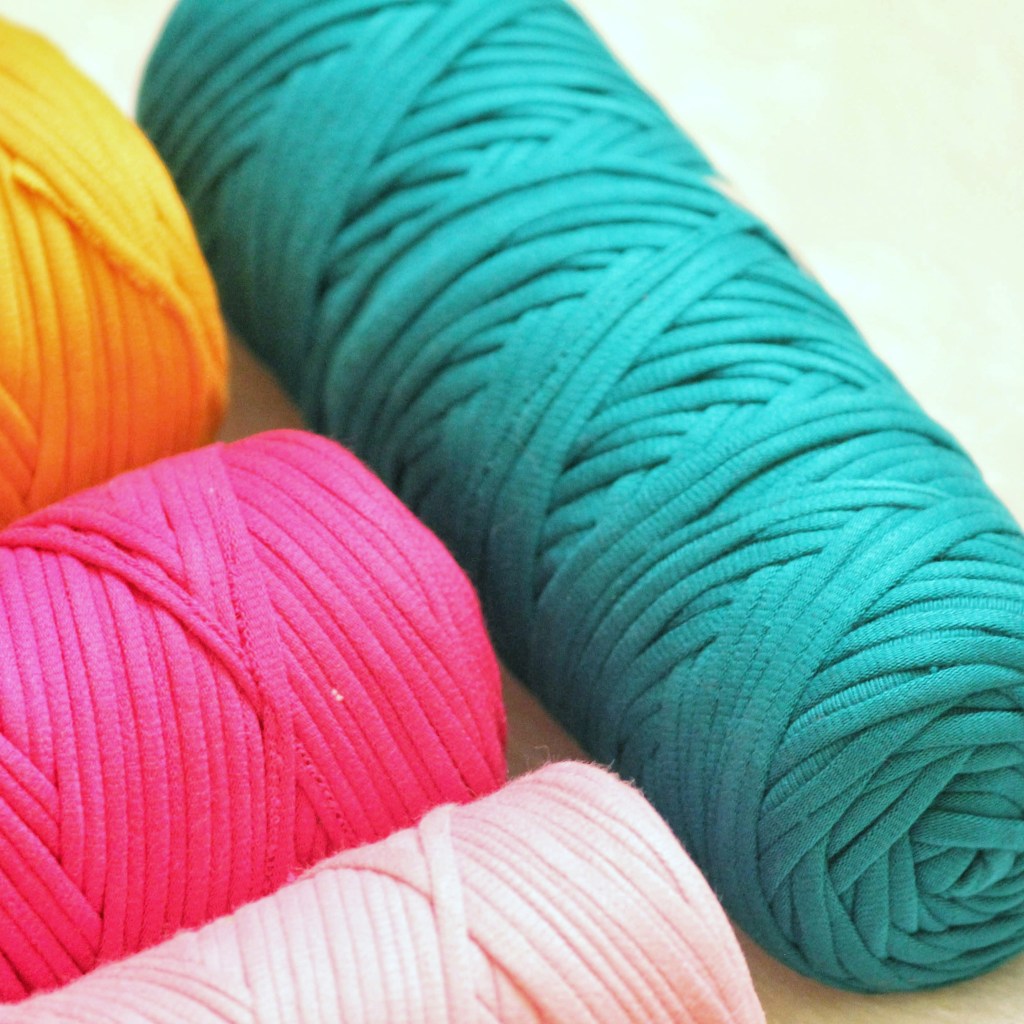
Gulera T-shirt Yarn

SOURCE: IYC

Gulera 3 PLY

SOURCE: IYC

Gulera 6 Ply

SOURCE: IYC

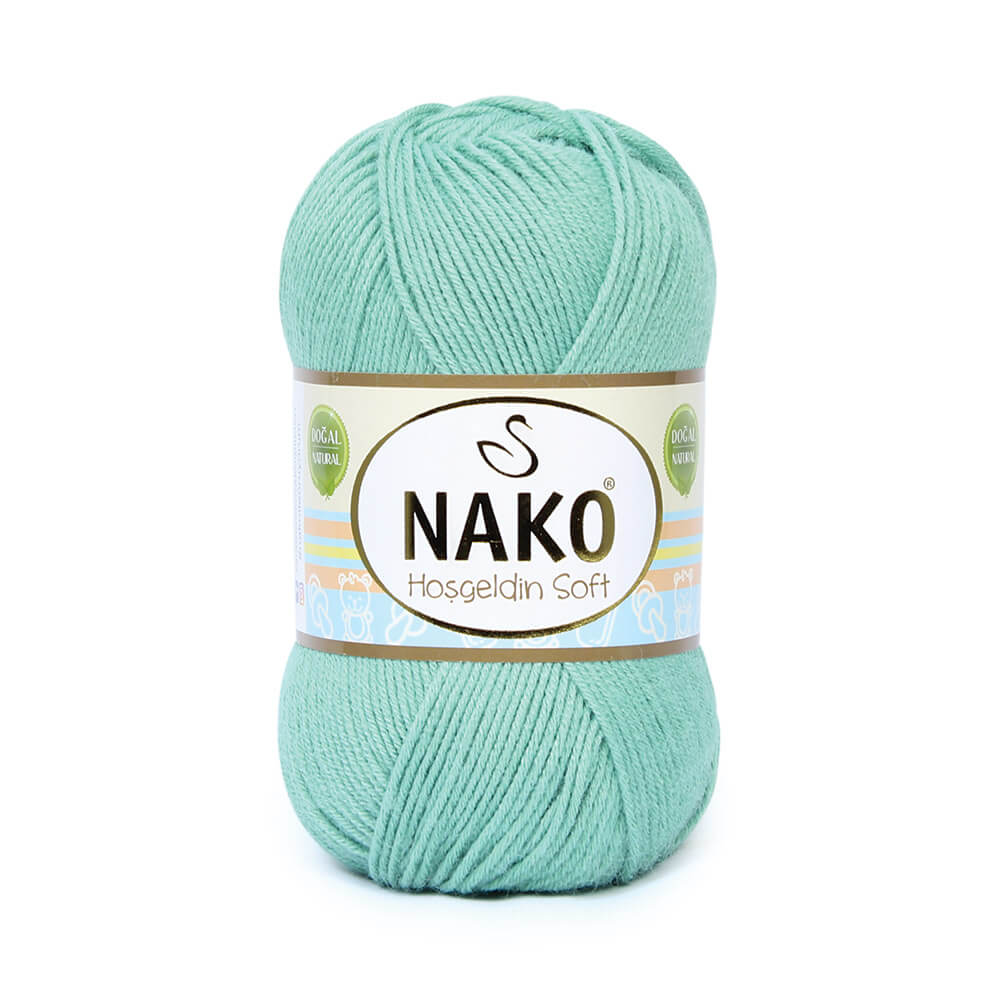
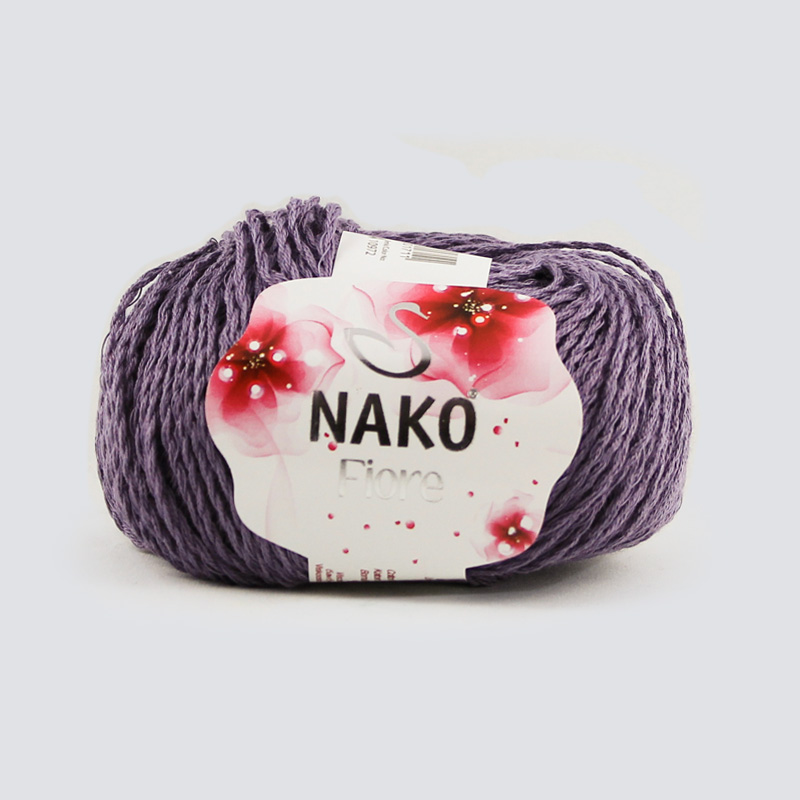
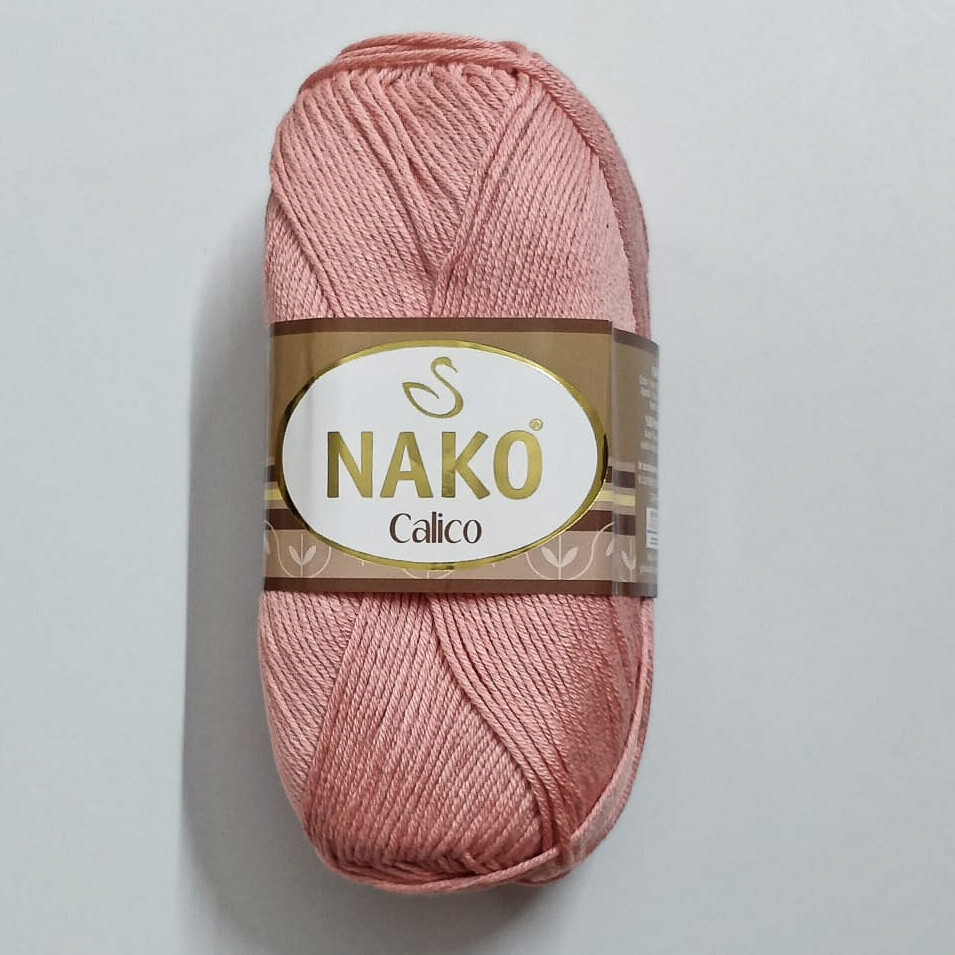
NAKO

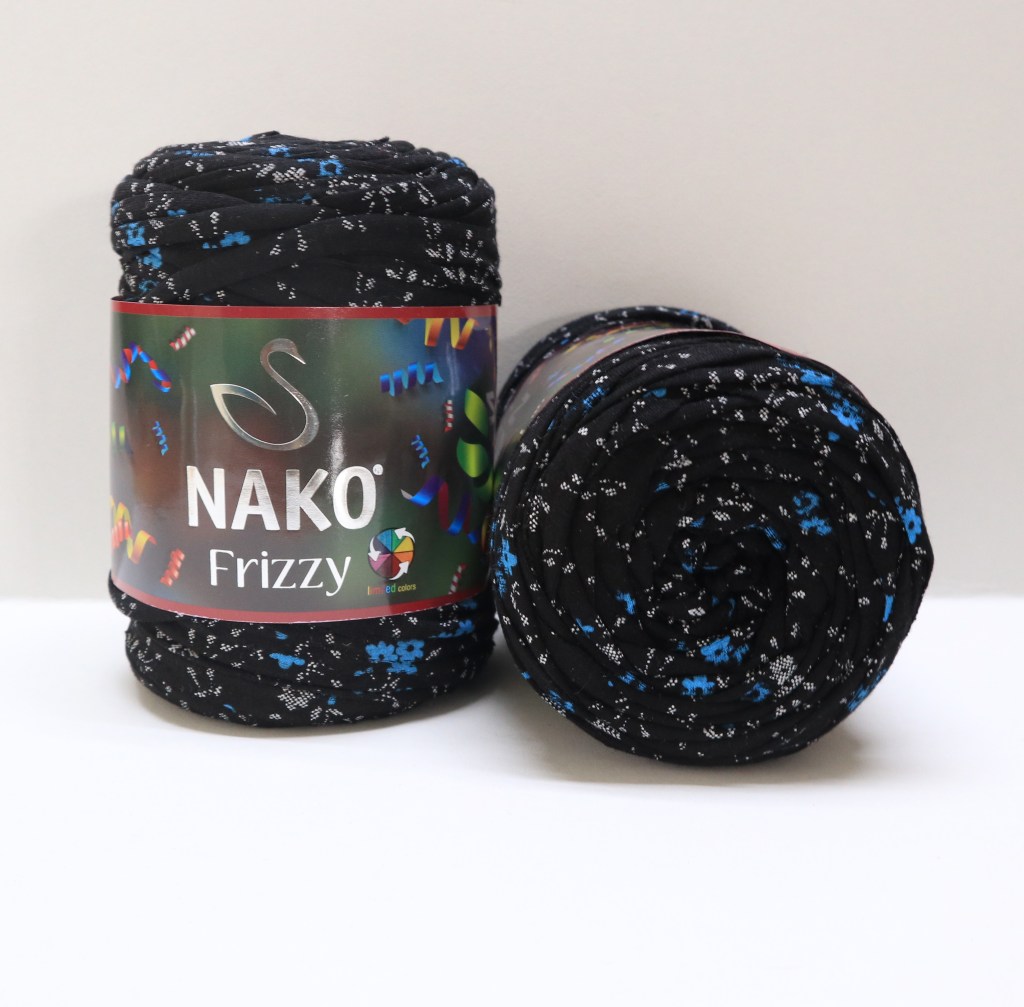
Most commonly available imported yarn brand in India, with cotton and blends available via Nako Frizzy – T Shirt Yarn, Nako Fiore, Nako Calico

YARN INDEX^
Popularity***
Availability***
Color Variety***
Color Fastness****
Price***
^  Index is on a scale of 5 ( 5 being highest and 1 being lowest)
Yarn Index is an output of IYC analysis can vary from person to person
WHERE TO BUY
InstoreAddressOnline
Pony Craft Store, Coornor and BangaloreThe Hatswork Boulevard, No 32, Cunningham Road, Bengaluru, Karnataka 560052Pony Craft Store

Nako Frizzy T-shirt Yarn

SOURCE: Pony Crafts Store

Nako Hosgeldin Soft

SOURCE: Pony Crafts Store

Nako Fiore

SOURCE: Pony Crafts Store

Nako Calico

SOURCE: IYC

YARNKART

Commonly called as SilkIndian and well known for their silk yarns, their recent entry into range of cotton yarns has been quiet damaging on our pockets. Their yarn ranges from 100% mercerized cotton to cotton blends in viscose

YARN INDEX^
Popularity****
Availability****
Color Variety****
Color Fastness***
Price****
^  Index is on a scale of 5 ( 5 being highest and 1 being lowest)
Yarn Index is an output of IYC analysis can vary from person to person
WHERE TO BUY
InstoreAddressOnline
Yarnkart43, 2nd Cross Yellamma St, P&T Colony, Ganganagar, Bengaluru, Karnataka 560032Yarrnkart

Yarnkart – Cotton Viscose

SOURCE: IYC

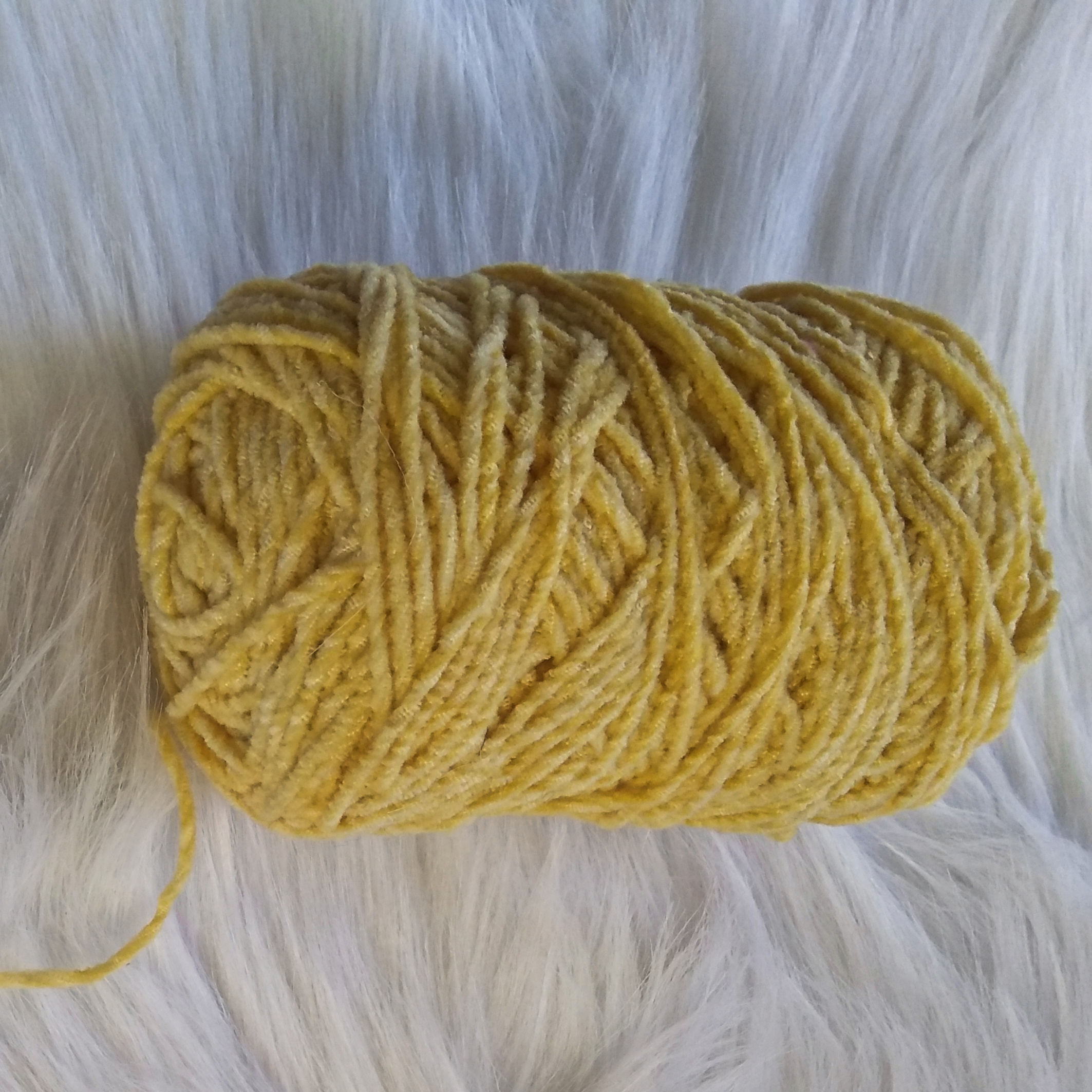
Yarnkart – Cotton Chenille

SOURCE: IYC

Yarnkart – 100% Mercerised Cotton

SOURCE: IYC

Yarnkart – 100% Cotton

SOURCE: IYC

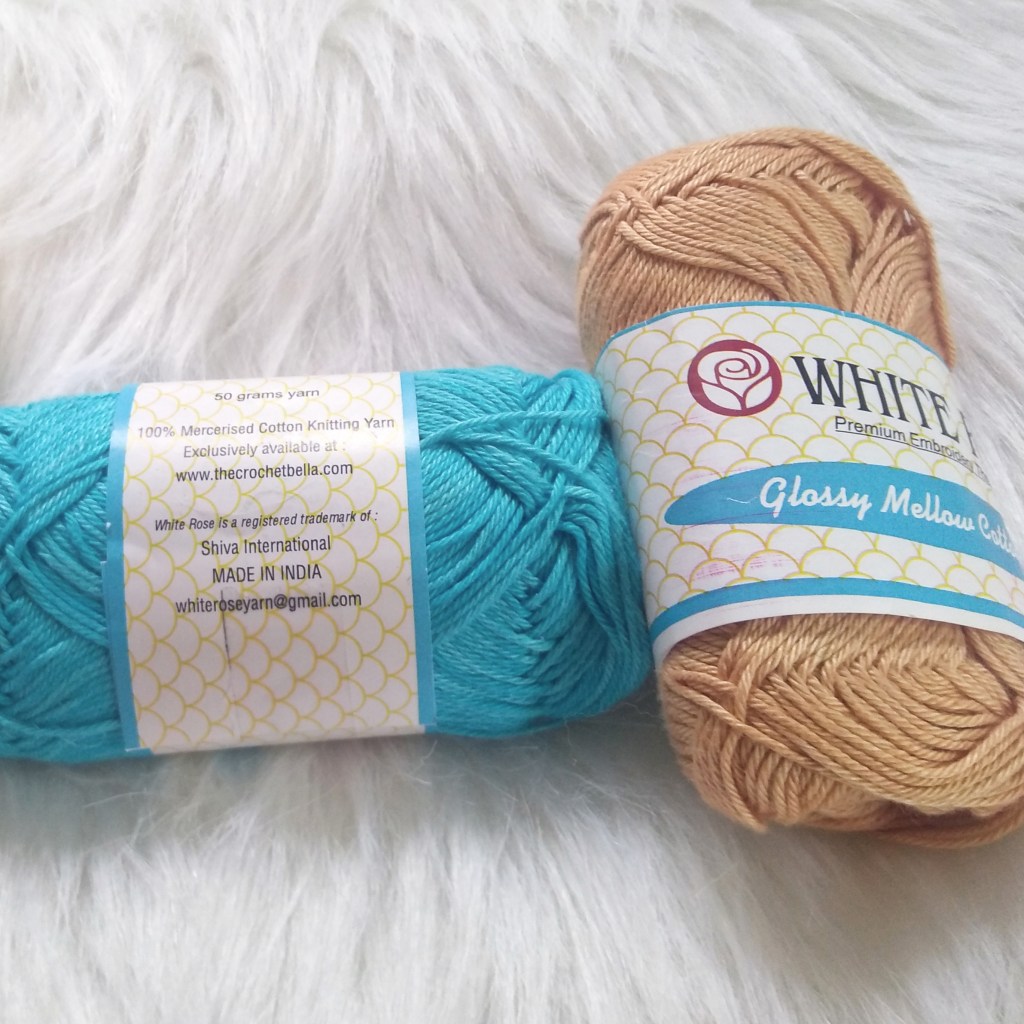
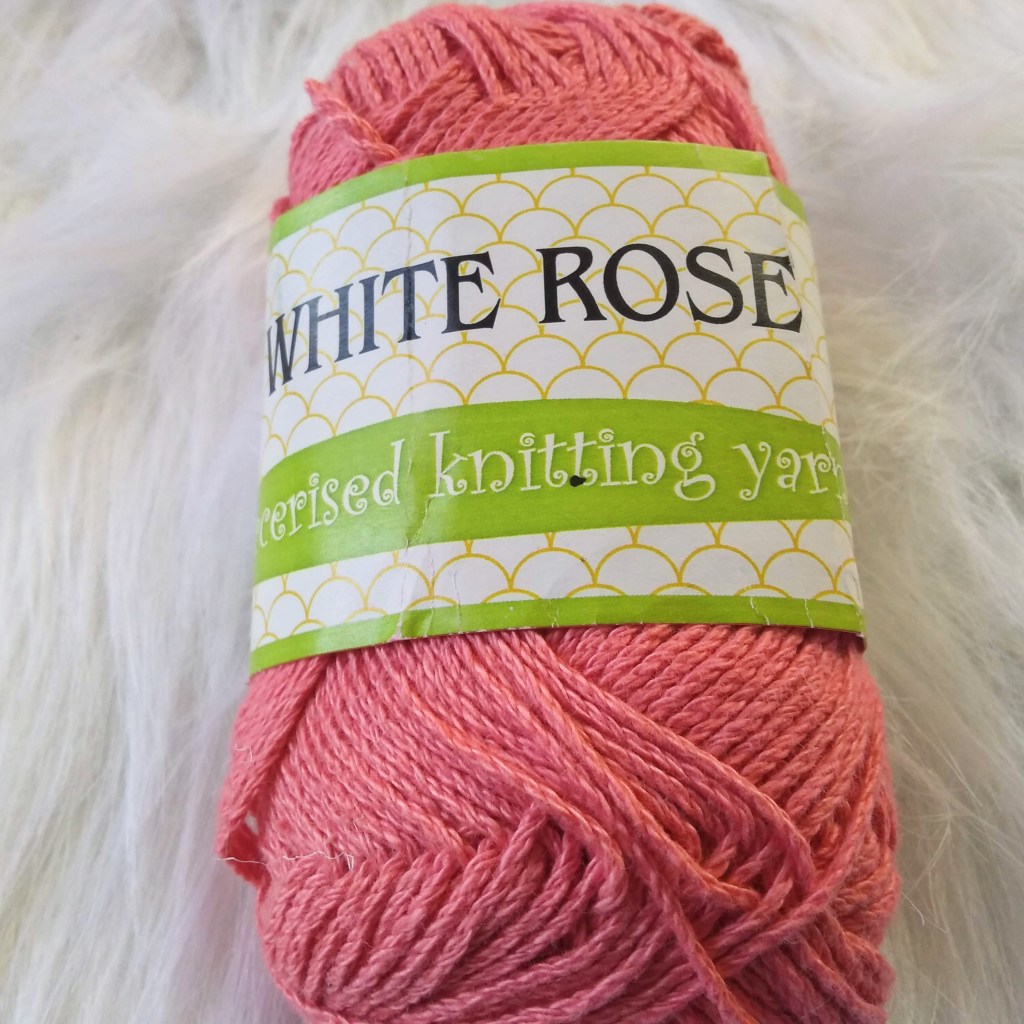
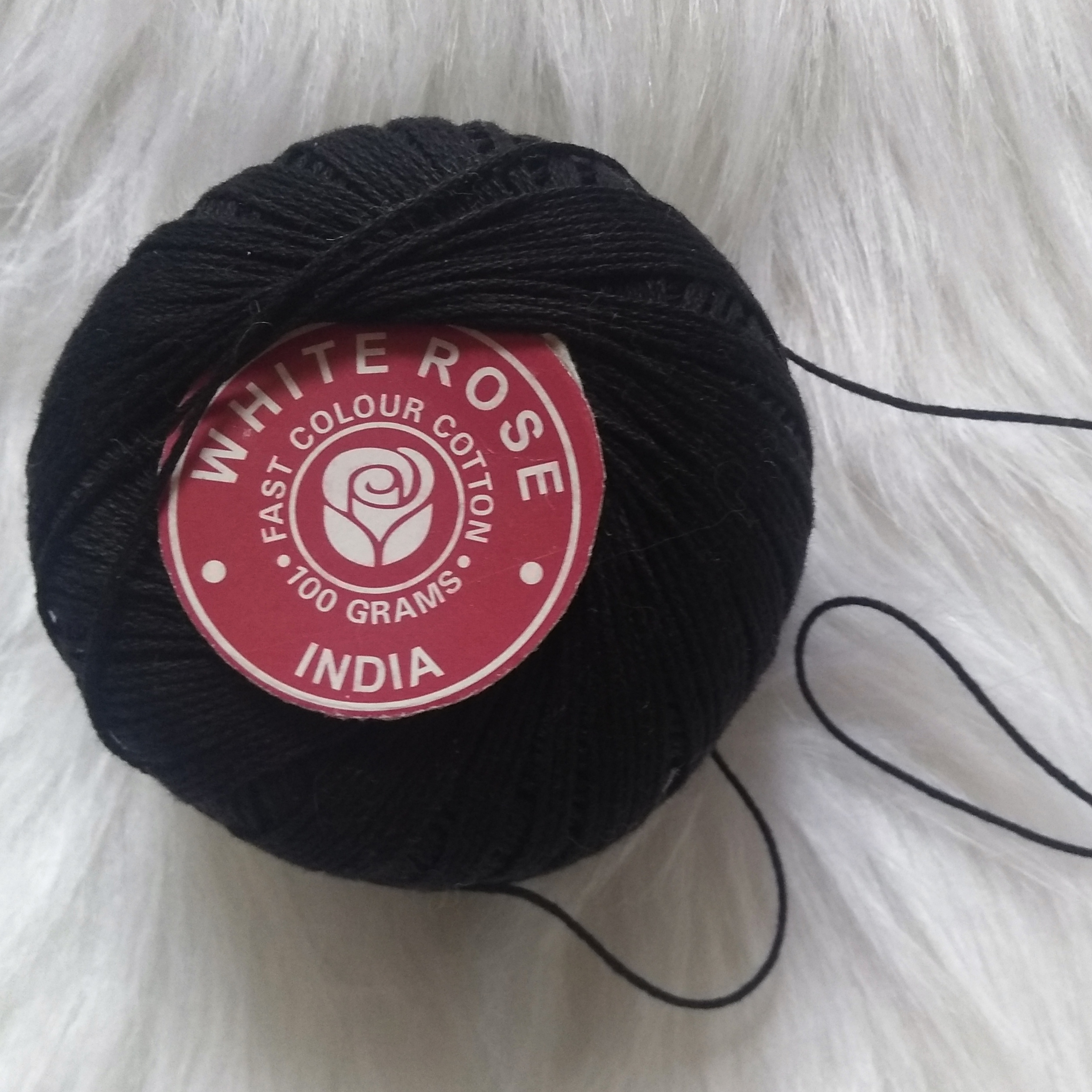
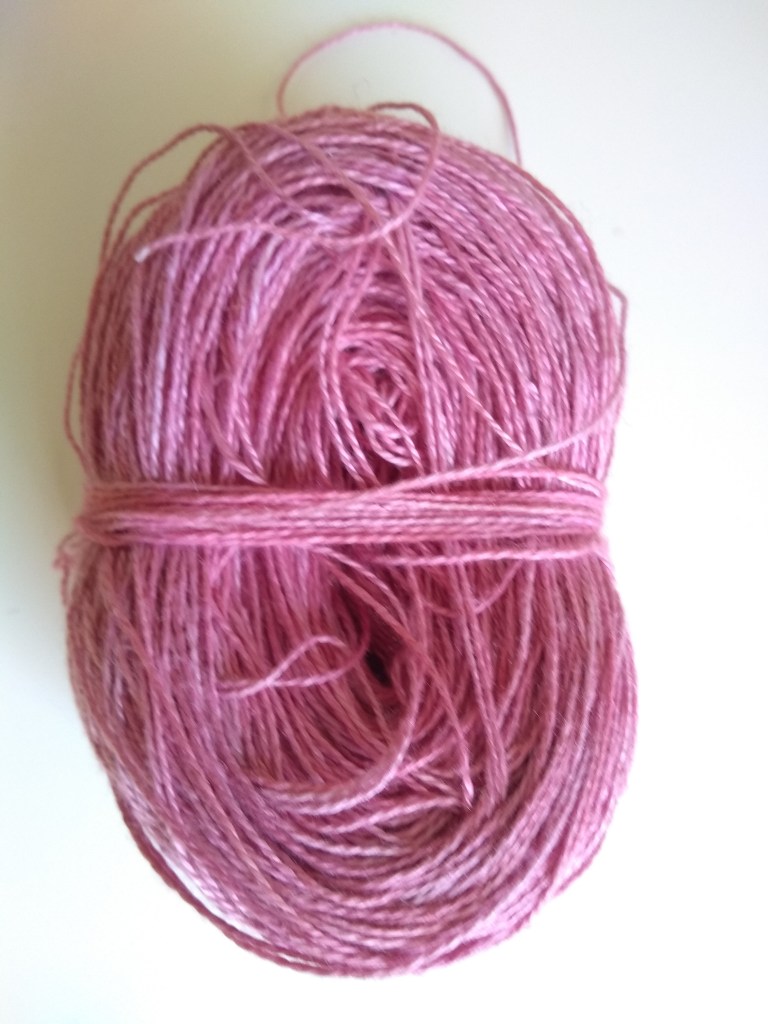
WHITE ROSE COTTON

These lovely cotton yarns are sourced and retailed by a wonderful person Akanksha Kapoor Tandon, founder of The Crochet Bella and Me n Yarns. She is a crocheter by passion and an engineer by profession. White Rose is produced in India by Shiva International Group and they have a wide range of cotton from threads for fine crochet lace work to thick and soft 4 ply cotton yarn
YARN INDEX^
Popularity***
Availability***
Color Variety***
Color Fastness****
Price***
^  Index is on a scale of 5 ( 5 being highest and 1 being lowest)
Yarn Index is an output of IYC analysis can vary from person to person
WHERE TO BUY
InstoreNot AvailableOnline
Crochet BellaThe Crochet Bella

White Rose Glossy Mellow cotton yarn

SOURCE: IYC

White Rose Knitting Mercerised cotton yarn

SOURCE: IYC

White Rose Lace cotton yarn

SOURCE: IYC

So now that we have the first 5 cotton yarns available in India – do let us know how do these yarn fair on the yarn index and do list the names of yarn you would like to see on the list.

All images are copyright of IndiaYarnCircle, unless otherwise mentioned. You can read our disclaimer policy here.
Yarn Types

PART 3 – SYNTHETIC FIBRES / YARNS

SYNTHETIC FIBERS

Lets continue our talk on fibers now. We were very unaware of the types of fibers available in the market even though we are very much into yarn crafts. Acrylic yarns is most often the go to fibre for all, for almost all the projects, but without much information and detail on them. We dont even realise the fact that the Acrylic yarns we use, come under the Synthetic yarns aka manmade yarns category. So today, lets get together and learn more about synthetic fibers.

PIN IT NOW!! READ IT LATER!!

CLICK ON IMAGE TO PIN IT!

So Synthetic fibers are man-made fibers, prepared through chemical synthesis. They are the result of extensive research by scientists to improve upon naturally occurring animal and plant fibers. The animal and plant fibers are  already covered in the previous blogs.

Here in this post, lets focus on types of synthetic fibers available and their advantages and disadvantages over the others.

Different types include Rayon, Nylon, Acrylic, Polyester, Polyurethane, and Polypropylene. Millions of tons of these fibers are produced all over the world each year.

Lets look into each in detail:-

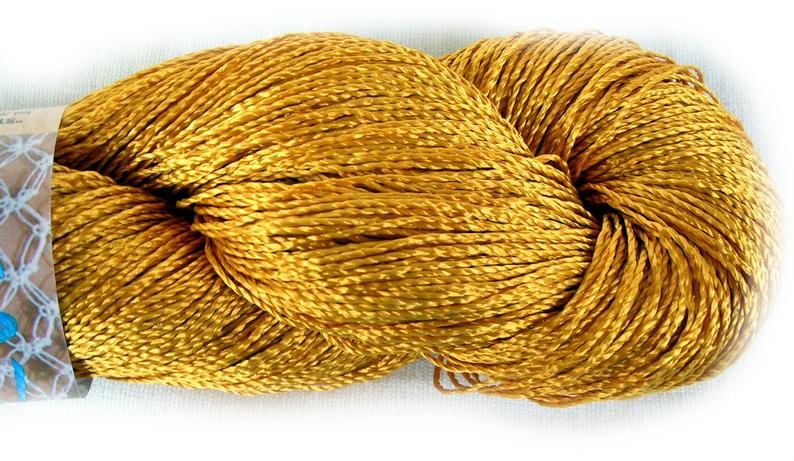
1. Rayon

SOURCE: Internet
  • This is a type of synthetic fibre obtained from wood pulp.
  • Rayon fabric is soft, absorbent and comfortable.
  • It is easy to dye in a wide range of colours.

2. Nylon

SOURCE: Internet
  • This type of synthetic fibre is obtained from coal, water and air.
  • Nylon is very lustrous, easy to wash and elastic.
  • It dries quickly and retains its shape.

3. Polyester

SOURCE: Internet
  • This type of synthetic fiber is obtained from coal, water, air and petroleum.
  • Polyester is made from repeating units of a chemical known as esters.
  • Polyester is easy to wash and it remains wrinkle-free.
  • Polyester retains its shape and remains crisp.

4. Acrylic

SOURCE: Internet
  • This type of synthetic fibers made from a polymer (polyacrylonitrile)
  • Acrylic is lightweight, soft, and warm, with a wool-like feel.
  • It can also be made to mimic other fibers, such as cotton when spun on short staple equipment.
  • Acrylic is the “workhorse” hand-crafting fiber for crafters who knit or crochet.
  • It may also be perceived as “cheap” because it is typically priced lower than its natural-fiber counterparts.

Advantages of Synthetic Fibers

  • Synthetic fibers are very durable and do not wrinkle easily
  • They are elastic and can be easily stretched out
  • They are strong and can sustain the heavy load.
  • They are soft and hence used in clothing material.
  • They are cheaper as compared to natural fibers.
  • Such fibers have a high luster, and with age, they don’t fade.
  • Synthetic fibers are more durable, they have bright wear and tear resistance.

Disadvantages of Synthetic Fibers

  • Most synthetic fibers do not absorb moisture.
  • Synthetic fiber can be affected if washed using hot water.
  • They catch fire easily as compared to natural fiber.
  • Like natural fibers, synthetic fibers do not easily take up colors.
SOURCE: Internet

We hope you like the write up and that it was helpful for you in knowing your yarn better. Do let us know through the comments below, which synthetic yarn you like to use the most and what you like to know more about from us.

All images are copyright of IndiaYarnCircle, unless otherwise mentioned. You can read our disclaimer policy here.
Yarn Types

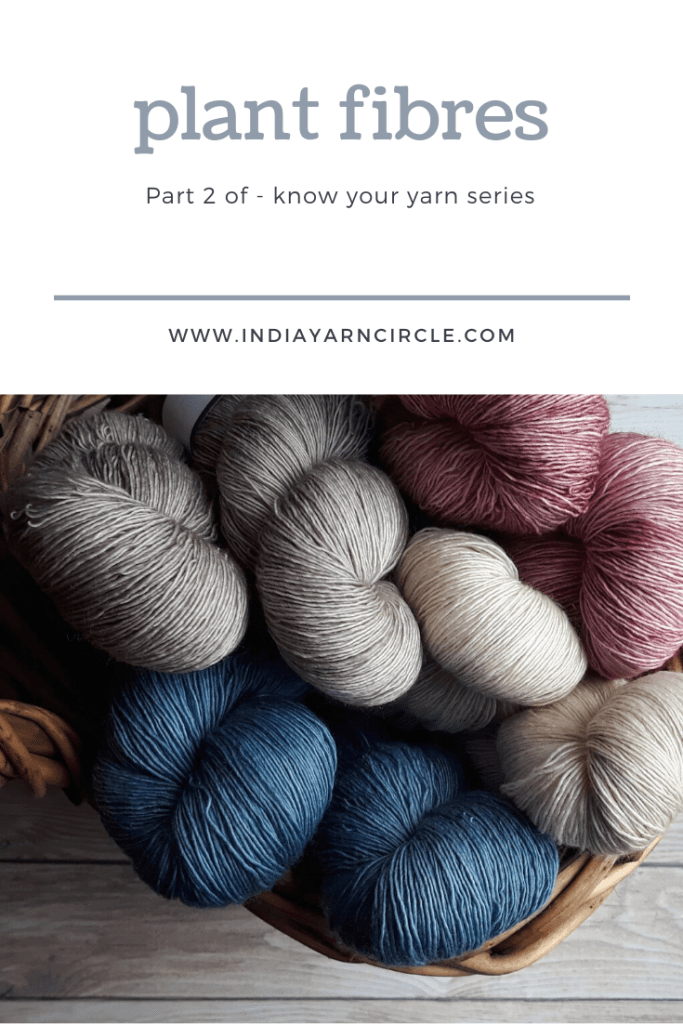
PART 2 – PLANT FIBRES / YARNS

Hey everybody!! Hope you enjoyed reading about animal fibre based yarns! Time to deep dive into yarns we get from plant source.

Plants – food for mind soul and body!!

When we look at plants , what do we think?? It’s beautiful, it’s gives us food, it gives us our precious oxygen, right?? Plants do that and much more!! They are a wholesome entity! They not only give us a visual treat, they provide for us in more ways than one.

No today’s post isn’t a botany class but what do we crafters get from plants.. yes , yarn what else… 

What??? yarn ??? We hear you!!! 

PIN IT NOW!! READ IT LATER!!

CLICK ON IMAGE TO PIN IT!

Natural fibers are breathable and act like a thermostat. They absorb  moisture keeping us cool or insulate us when the mercury drops.

They can be produced organically and sustainably and give an all round feeling of well being from the producer to the wearer.

Though we say natural fibres, these have to go through a chemical process to get cleaned and dyed to get to the point where it’s usable by crafters. 

Cotton, linen, bamboo, hemp, jute, banana fibre are the yarns that are produced from plants. 

COTTON

Cotton is best thing you can have as a fibre source especially in the tropics. Their ability to wick moisture makes them the  perfect choice for the very hot season we experience in most parts of India. We all love our cotton wearables right? From sarees to suits to dhotis it’s the first thing we reach for. Cotton yarn was not so readily available until recently!! 

Until recently if we walked into a store and asked for cotton we would get the 20gm ball of cotton thread used for fine crochet work!! The thickest thread possible was anchor knitting cotton! 

ANCHOR KNITTING COTTON

Since then we have a variety of 4 ply cotton yarn available to us- Laura knitting cotton, Anchor knitting cotton, unbranded cotton from Samrat stores in Pune, Raja market in Bangalore, White Rose knitting cotton from north India.

LAURA COTTON
SAMRAT COTTON
GULERA 3 PLY COTTON

LINEN

LINEN YARN

Apart from cotton , we also have linen that is available in India for us to  knit and crochet. Linen is a very sustainable fibre. The product made using linen is durable and becomes softer with every wash. 

HEMP FIBRES

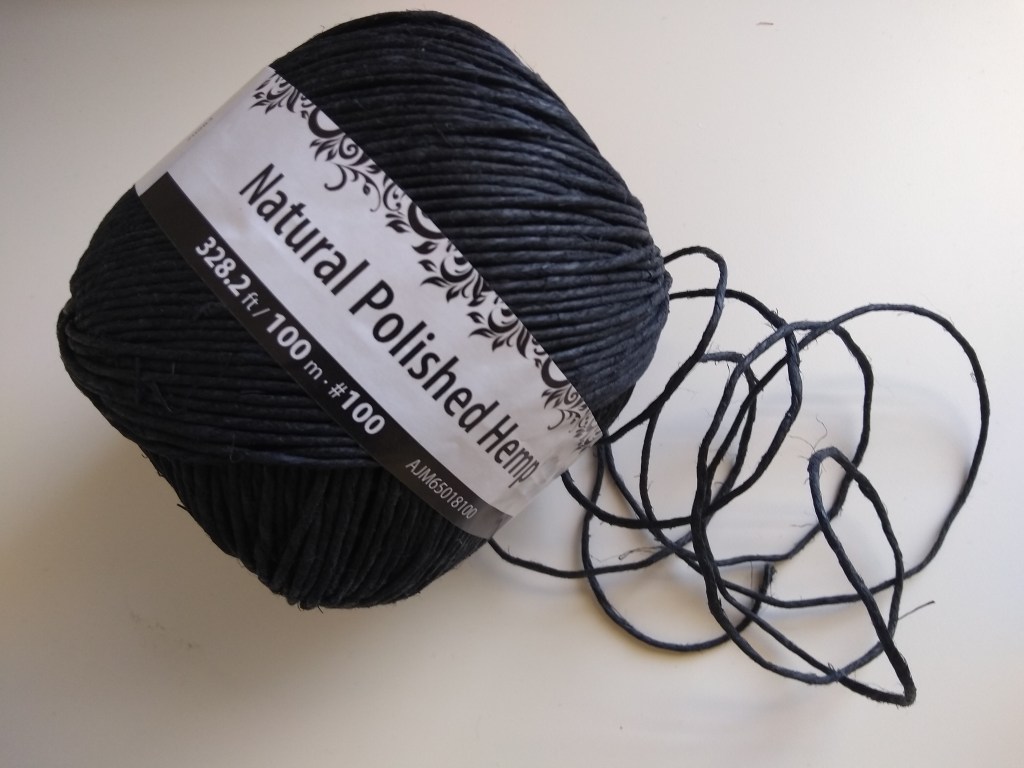
HEMP YARN

Hemp is one of the oldest plant to be used for it’s fibres dating as early as 4500 BC!!

Hemp is very popular in jewelry making.

BAMBOO FIBRES

Bamboo and banana fibre are usually blended with cotton and silk to make it more easy to use. 100% bamboo is also available but they are loosely plied and holds better for weaving.

JUTE

JUTE YARNS

Jute is the second most important fibre next to cotton. It’s inexpensive to produce.  It is blended with other fibres to make twine and rope. They are also used to make inexpensive cloth that is used for making sacks. The finer threads can also be separated to give imitation silk.

Jute is strong, durable, color and light fast  fibre. It’s gaining popularity as the choice of fabric for home furnishings.

It seems only natural to want to go the eco friendly route and work with cotton and other plant based fibres more but the key factor to consider will be the cost. 

Stay tuned for other alternatives to plant based fibres that are economical and more readily available and are much much easy to care for. Do drop in your comments and or questions and don’t forget to watch our YouTube channel for video on the different types of cotton available in India.

All images are copyright of IndiaYarnCircle, unless otherwise mentioned. You can read our disclaimer policy here.
Yarn Types

PART 1 – ANIMAL FIBRES / YARNS

Animals, from the majestic beings that roam the wild to the domesticated ones, they have always captivated us. 

For us crafters, they go one level higher and give us their protective covering to make beautiful things.

Let’s talk about the yarn that we get from animals today, shall we?

PIN IT NOW!! READ IT LATER!!

CLICK ON IMAGE TO PIN IT!

Natural fibers are breathable and act like a thermostat. They absorb  moisture keeping us cool during summer or insulate us when the mercury drops.

Natural fibres are sourced from animals or plants. We get wool and silk from animals and cotton, linen, bamboo, hemp, jute, banana fibre from plants. 

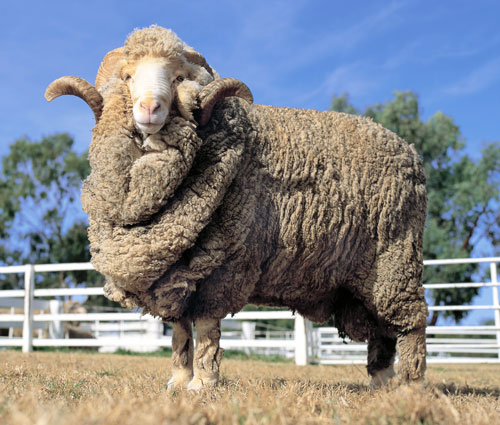
Different breeds of sheep give us different wool , the softest being merino. They are elastic and give us warmth in the cold climes.

Wool is also obtained from llamas, alpacas, goats and camel.

We don’t have llamas and alpacas here in India, but we do have merino sheep and fine breed of Himalayan goats that give is beautiful wool. Cashmere is got from sheep in Kashmir region. The reason why cashmere is so expensive is because  it’s the hair that is got from under the top layer and needs a lot of processing to get it in workable form for crafters.

SOURCE: Internet

SOURCE: Internet

Have you ever washed woollen in the washing machine and seen that it’s become a size small?? 

Taking care of woollen is cumbersome as the articles made of wool need to be hand washed in cold water and laid flat to dry. If we machine wash and dry the wool we will see a shrink in size of the article. This is due to the process called felting where the fibres fuse together. 

Do we have a recourse?? Of course!!

Wool is  blended with nylon to give it more strength and durability especially when it’s used for making socks. These will be marked as Supperwash which means it will not felt while washing.

SOURCE: Internet

However there is a special craft for felting where the finished product is felted on purpose to achieve that look. 

Next up is SILK!!!

Who doesn’t love silk? The sheen, the lustre and the soft feel next to the skin!! Silk makes you feel like a million bucks!!!

SOURCE: Internet

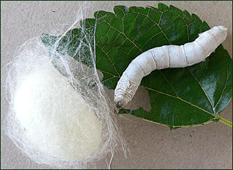
It is the most luxurious fibre!. It’s obtained from silk worms. When the silk produced without harming the silkworms it’s called ahimsa silk.  It is also blended with wool to give wool a nice lustre. 

Remnants of silk after they are used in saree weaving are also spun together to give us recycled silk and depending on whether it’s hand spun or machine spun gives a very rustic looking fibre or a silky smooth finish.

SOURCE: Internet
SOURCE: Internet

Both wool and silk can also be hand spun using a drop spindle or a charkha. The fibre used for spinning is called sliver. 

Some fun facts about these natural fibres:

World’s oldest  woollen clothing was found in Denmark and dated 1500 BC.

Silk was first harvested by the Chinese as early as 2700 BC.

And humans first domesticated sheep 10,000 years ago!!

Tell us your favourite project using animal fibres. What you liked about it and what you didn’t like!

All images are copyright of IndiaYarnCircle, unless otherwise mentioned. You can read our disclaimer policy here.
Yarn Types

KNOW YOUR YARNS – SERIES

Hello awesome makers!!! Hope you see subscribed to our blog and enjoying reading the same!

We started off India Yarn Circle community on Instagram with “Yarn” as the theme for the month. We would love to elaborate more on that as we had many queries from rookie makers asking us about these magical things we call yarn!!

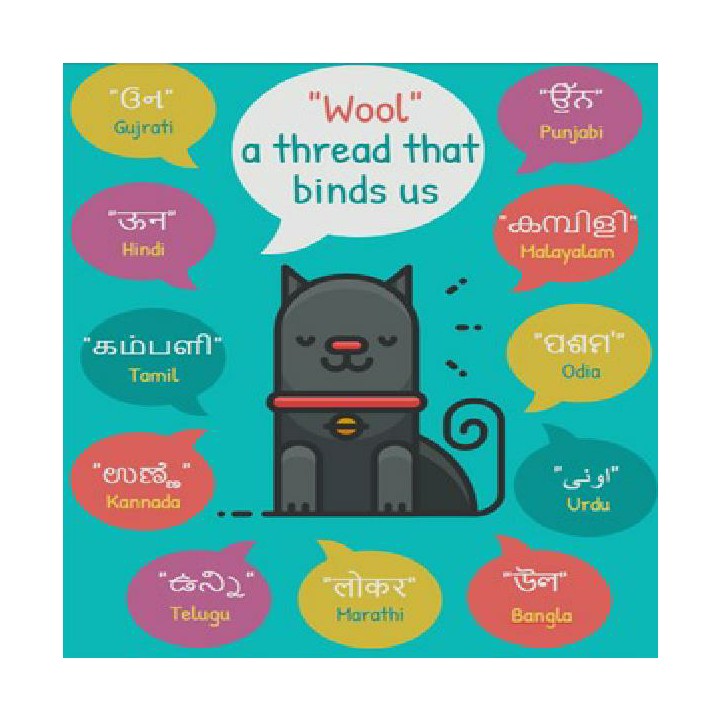
Were you as astonished as us to learn that the word “yarn” does not mean “wool”? 

PIN IT NOW!! READ IT LATER!!

CLICK ON IMAGE TO PIN IT!

Why the surprise, you ask?? Well the place where we come from , the place where we picked up our craft forms uses the word ” wool” to loosely define any yarn that we knitters and crocheters use.

So we ask the basic question –

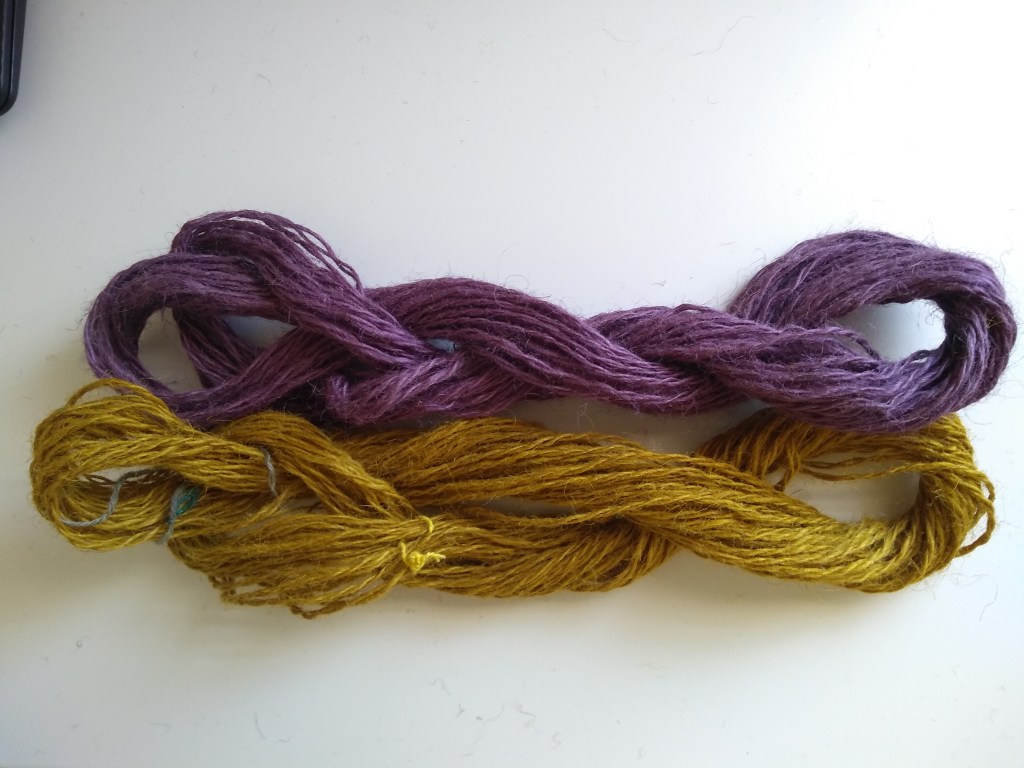
Yarn is a long continuous length of interlocked fibres, suitable for use in the production of textiles, sewing, crocheting, knitting, weaving, embroidery, or ropemaking. Any form of long thread used for any kind of craft is largely qualified as yarn.

Imagine our wonder when we learnt that there are different categories of yarn!

Yarn can be classified broadly as

Animal based

Plant based

Synthetic or Man-made

Within each category they can be further sorted by yarn weights such as

COBWEB WEIGHT

SOURCE: IYC

FINGERING WEIGHT

DK WEIGHT

ARAN WEIGHT

SOURCE: Internet

LACE WEIGHT

SOURCE: Internet

SPORT WEIGHT

WORSTED WEIGHT

BULKY WEIGHT

SOURCE: IYC

And then there is TEXTURE!! Oh my God, textures!!

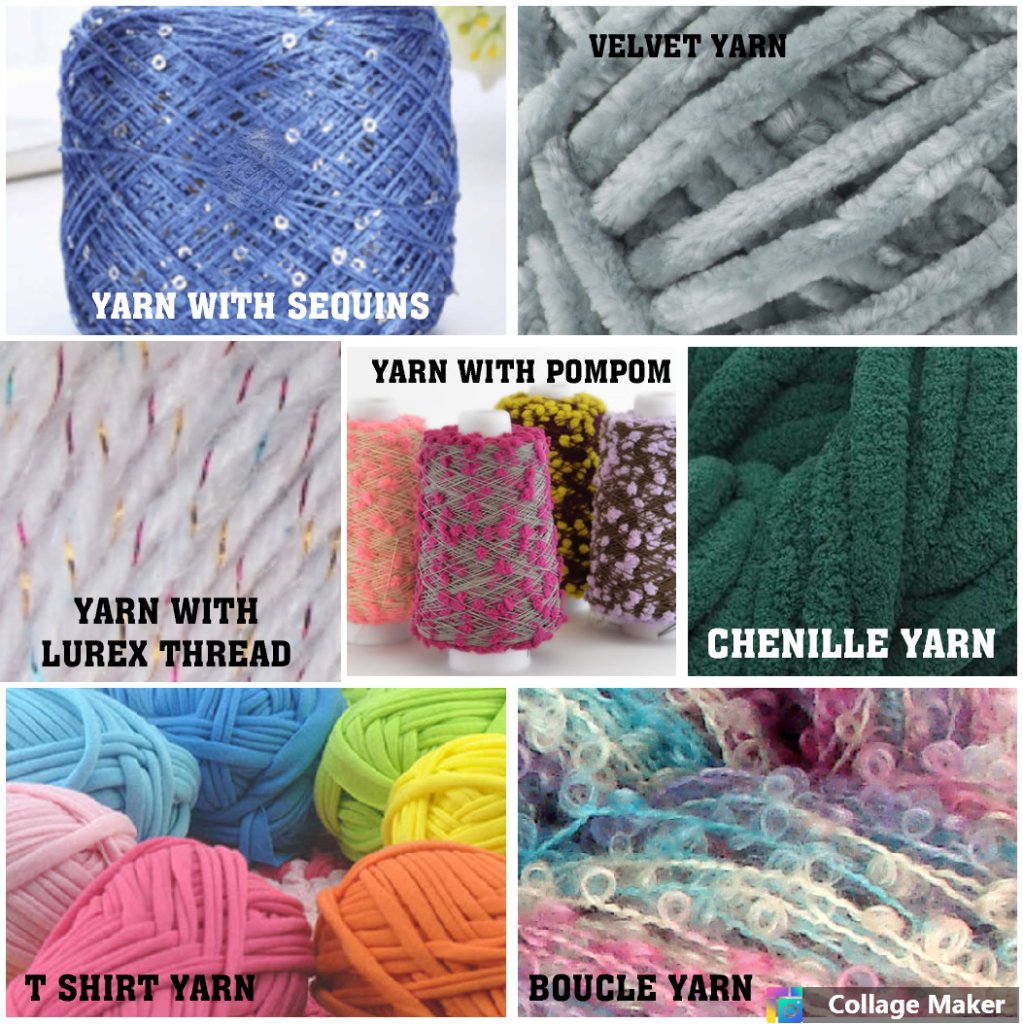
Yarns that are velvety, yarns that have feather like features, boucle yarns (yarns with loops), yarns with tiny pompons at regular intervals, yarns with strand of lurex to give it the glitter and sparkle that makes our eyes go wide!! And not to mention yarn made from tshirt!!!!

SOURCE: Internet.

Yarns come in varied thicknesses, textures and not to mention colours. A large pallete for us to work with, for our yarn crafts!!

Is your head reeling under all these buzz words?? Fear not for we will be back to take you though this yarn maze and we will emerge on the other side, hopefully with a better understanding of the yarns we use.

Watch this space for more information about the yarns.
All images are copyright of IndiaYarnCircle, unless otherwise mentioned. You can read our disclaimer policy here.