
SYNTHETIC FIBERS
Lets continue our talk on fibers now. We were very unaware of the types of fibers available in the market even though we are very much into yarn crafts. Acrylic yarns is most often the go to fibre for all, for almost all the projects, but without much information and detail on them. We dont even realise the fact that the Acrylic yarns we use, come under the Synthetic yarns aka manmade yarns category. So today, lets get together and learn more about synthetic fibers.
PIN IT NOW!! READ IT LATER!!

So Synthetic fibers are man-made fibers, prepared through chemical synthesis. They are the result of extensive research by scientists to improve upon naturally occurring animal and plant fibers. The animal and plant fibers are already covered in the previous blogs.
Here in this post, lets focus on types of synthetic fibers available and their advantages and disadvantages over the others.
Different types include Rayon, Nylon, Acrylic, Polyester, Polyurethane, and Polypropylene. Millions of tons of these fibers are produced all over the world each year.
Lets look into each in detail:-
1. Rayon
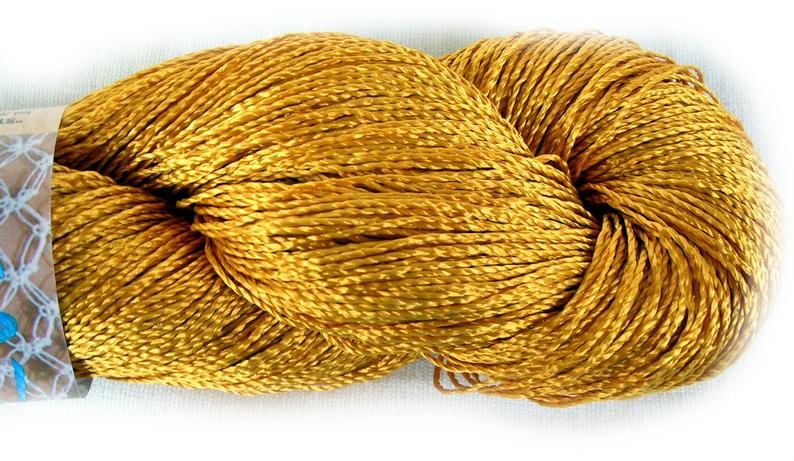
- This is a type of synthetic fibre obtained from wood pulp.
- Rayon fabric is soft, absorbent and comfortable.
- It is easy to dye in a wide range of colours.
2. Nylon
- This type of synthetic fibre is obtained from coal, water and air.
- Nylon is very lustrous, easy to wash and elastic.
- It dries quickly and retains its shape.
3. Polyester
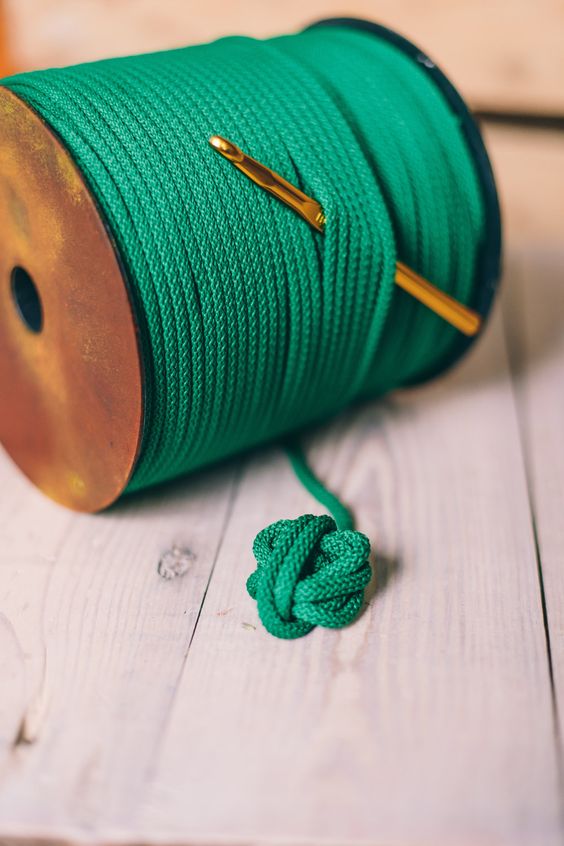
- This type of synthetic fiber is obtained from coal, water, air and petroleum.
- Polyester is made from repeating units of a chemical known as esters.
- Polyester is easy to wash and it remains wrinkle-free.
- Polyester retains its shape and remains crisp.
4. Acrylic
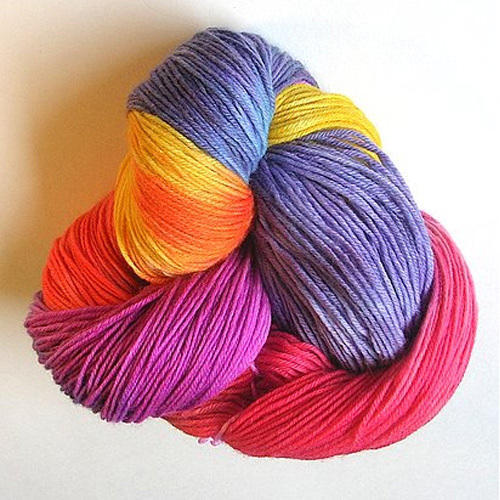
- This type of synthetic fibers made from a polymer (polyacrylonitrile)
- Acrylic is lightweight, soft, and warm, with a wool-like feel.
- It can also be made to mimic other fibers, such as cotton when spun on short staple equipment.
- Acrylic is the “workhorse” hand-crafting fiber for crafters who knit or crochet.
- It may also be perceived as “cheap” because it is typically priced lower than its natural-fiber counterparts.
Advantages of Synthetic Fibers
- Synthetic fibers are very durable and do not wrinkle easily
- They are elastic and can be easily stretched out
- They are strong and can sustain the heavy load.
- They are soft and hence used in clothing material.
- They are cheaper as compared to natural fibers.
- Such fibers have a high luster, and with age, they don’t fade.
- Synthetic fibers are more durable, they have bright wear and tear resistance.
Disadvantages of Synthetic Fibers
- Most synthetic fibers do not absorb moisture.
- Synthetic fiber can be affected if washed using hot water.
- They catch fire easily as compared to natural fiber.
- Like natural fibers, synthetic fibers do not easily take up colors.
We hope you like the write up and that it was helpful for you in knowing your yarn better. Do let us know through the comments below, which synthetic yarn you like to use the most and what you like to know more about from us.

 India Yarn Circle
I gained information about yarns through this article. Thank you so much.
LikeLike