
Hey everybody!! Hope you enjoyed reading about animal fibre based yarns! Time to deep dive into yarns we get from plant source.
Plants – food for mind soul and body!!
When we look at plants , what do we think?? It’s beautiful, it’s gives us food, it gives us our precious oxygen, right?? Plants do that and much more!! They are a wholesome entity! They not only give us a visual treat, they provide for us in more ways than one.
No today’s post isn’t a botany class but what do we crafters get from plants.. yes , yarn what else…
What??? yarn ??? We hear you!!!
PIN IT NOW!! READ IT LATER!!
Natural fibers are breathable and act like a thermostat. They absorb moisture keeping us cool or insulate us when the mercury drops.
They can be produced organically and sustainably and give an all round feeling of well being from the producer to the wearer.
Though we say natural fibres, these have to go through a chemical process to get cleaned and dyed to get to the point where it’s usable by crafters.
Cotton, linen, bamboo, hemp, jute, banana fibre are the yarns that are produced from plants.
COTTON
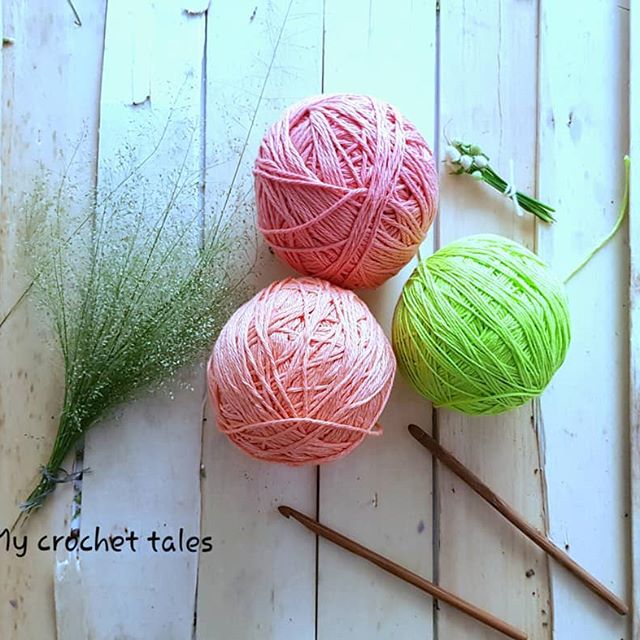
Cotton is best thing you can have as a fibre source especially in the tropics. Their ability to wick moisture makes them the perfect choice for the very hot season we experience in most parts of India. We all love our cotton wearables right? From sarees to suits to dhotis it’s the first thing we reach for. Cotton yarn was not so readily available until recently!!
Until recently if we walked into a store and asked for cotton we would get the 20gm ball of cotton thread used for fine crochet work!! The thickest thread possible was anchor knitting cotton!
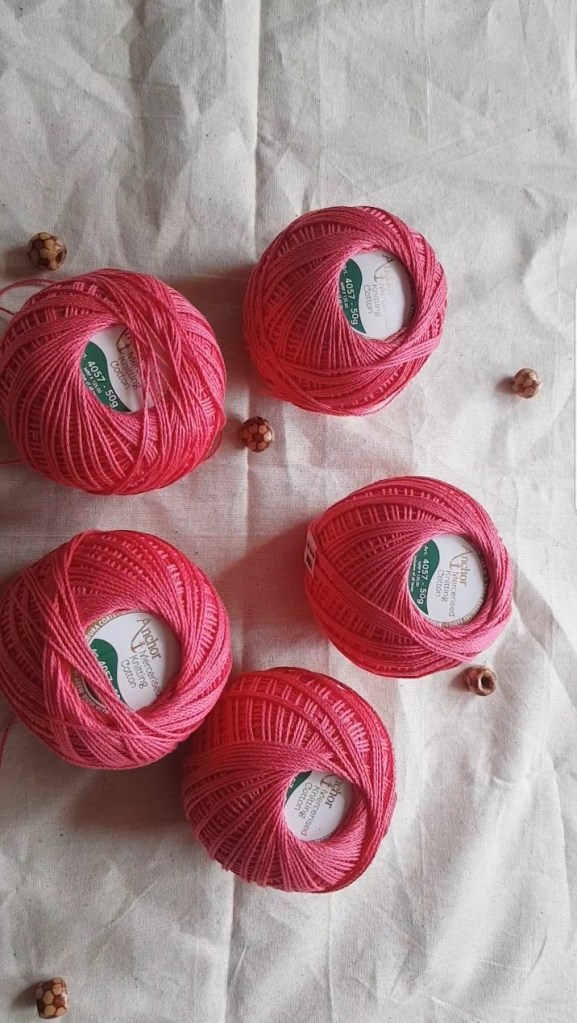
Since then we have a variety of 4 ply cotton yarn available to us- Laura knitting cotton, Anchor knitting cotton, unbranded cotton from Samrat stores in Pune, Raja market in Bangalore, White Rose knitting cotton from north India.

LINEN
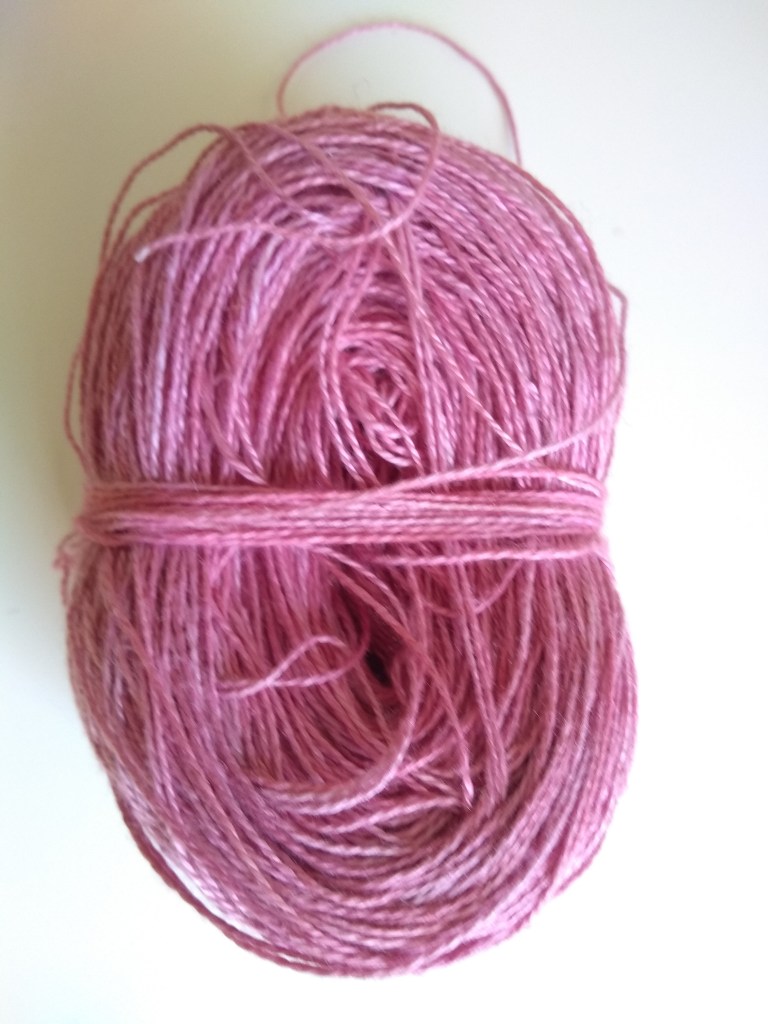
Apart from cotton , we also have linen that is available in India for us to knit and crochet. Linen is a very sustainable fibre. The product made using linen is durable and becomes softer with every wash.
HEMP FIBRES
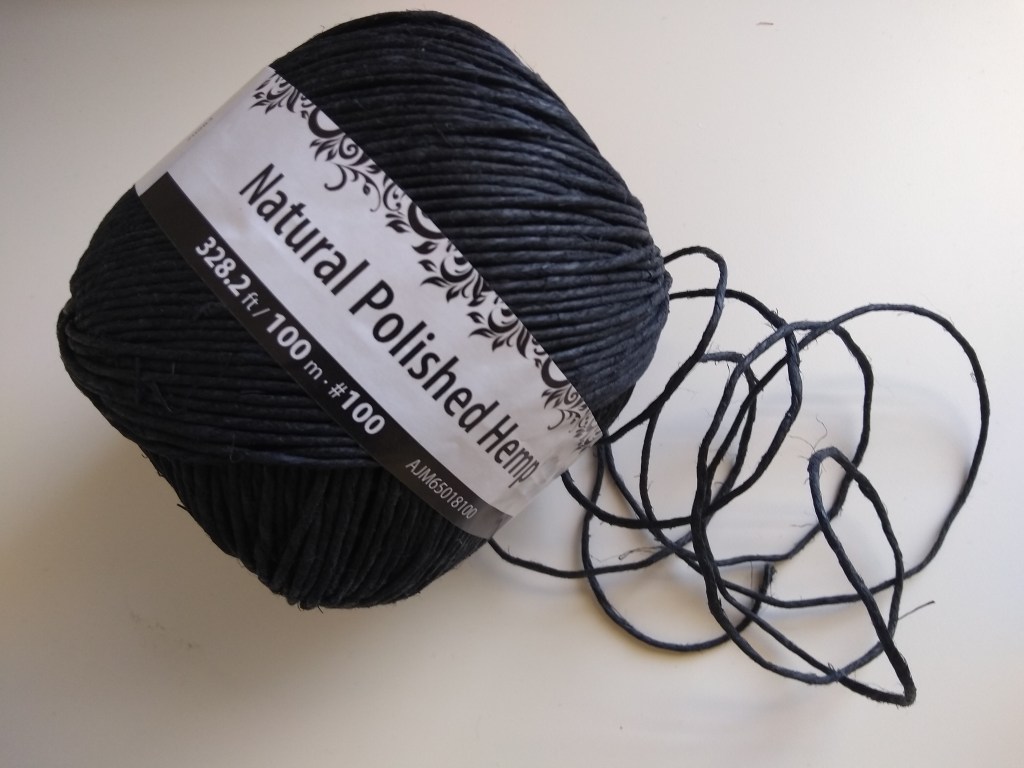
Hemp is one of the oldest plant to be used for it’s fibres dating as early as 4500 BC!!
Hemp is very popular in jewelry making.
BAMBOO FIBRES
Bamboo and banana fibre are usually blended with cotton and silk to make it more easy to use. 100% bamboo is also available but they are loosely plied and holds better for weaving.
JUTE
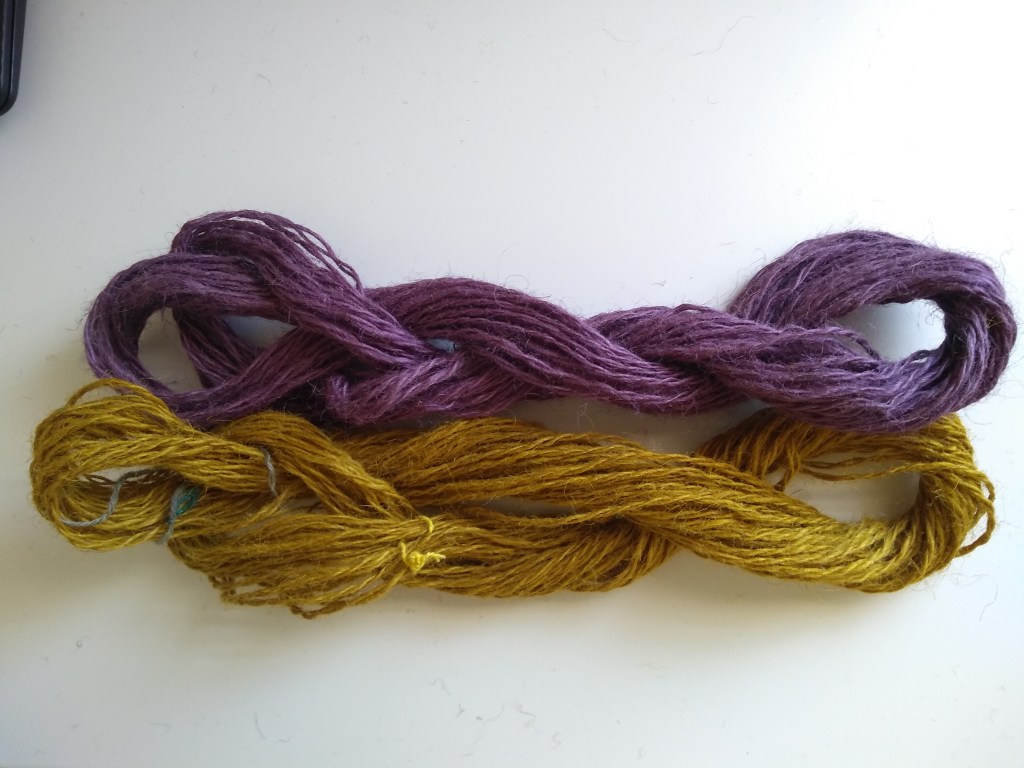
Jute is the second most important fibre next to cotton. It’s inexpensive to produce. It is blended with other fibres to make twine and rope. They are also used to make inexpensive cloth that is used for making sacks. The finer threads can also be separated to give imitation silk.
Jute is strong, durable, color and light fast fibre. It’s gaining popularity as the choice of fabric for home furnishings.
It seems only natural to want to go the eco friendly route and work with cotton and other plant based fibres more but the key factor to consider will be the cost.
Stay tuned for other alternatives to plant based fibres that are economical and more readily available and are much much easy to care for. Do drop in your comments and or questions and don’t forget to watch our YouTube channel for video on the different types of cotton available in India.

 India Yarn Circle
3 thoughts on “PART 2 – PLANT FIBRES / YARNS”